
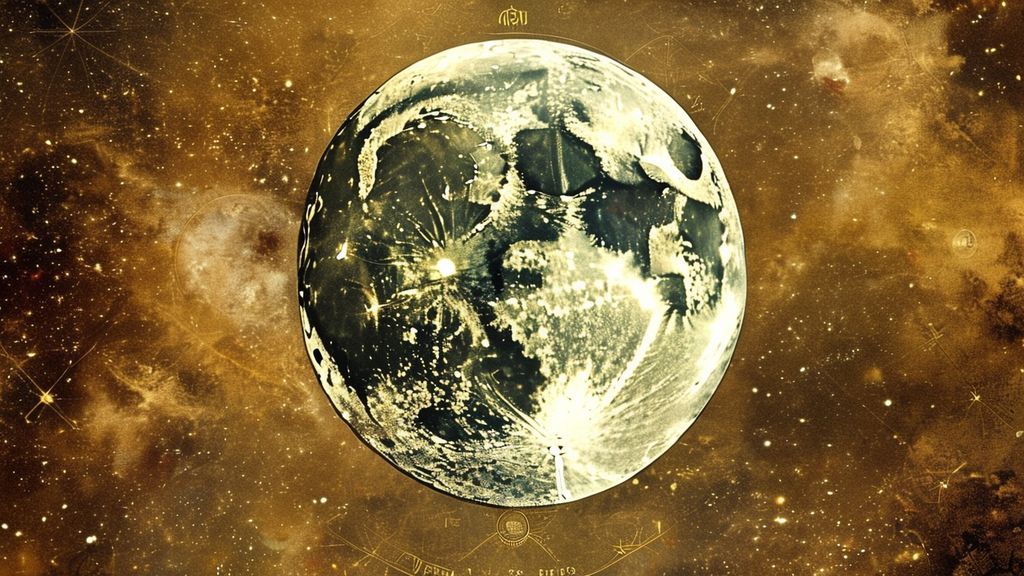
In the vast and intricate tapestry of Vedic Astrology, known as Jyotish, celestial bodies are not mere distant lights but powerful indicators of our inner and outer worlds. Among them, the Moon, or Chandra, holds a place of profound significance, second only to the Sun. Often referred to as the 'Queen' of the planetary cabinet, the Moon governs our deepest emotions, our mind (Manas), intuition, mother, and our overall sense of well-being and happiness. Understanding the Moon's placement and condition in your birth chart (Kundali) is crucial for deciphering your emotional landscape, mental fortitude, and even your destiny. Join us as we explore the multifaceted influence of the Moon in Vedic Astrology, uncovering its secrets and how it shapes who you are.
Chandra: The Cosmic Significance of the Moon in Jyotish
The Moon, known as Chandra in Sanskrit, is a fast-moving planet, completing its cycle through the zodiac in approximately 27-28 days. This swift motion reflects its core significations: the ever-changing nature of our emotions and thoughts. While the Sun represents the soul (Atma) and ego, the Moon embodies the mind (Manas), feelings, inner peace, and responsiveness to the world around us. It is the filter through which we perceive reality and react to life's experiences.
Manas Karaka: The Ruler of Mind and Emotions
The Moon is primarily known as the Manas Karaka, the significator of the mind. This isn't just about intellect, but the emotional mind – how we feel, what comforts us, our instincts, and our subconscious patterns. A well-placed and strong Moon bestows a calm, balanced, and intuitive mind, capable of emotional resilience and empathy. Conversely, an afflicted or weak Moon can lead to mental agitation, anxiety, mood swings, lack of focus, and emotional instability. It dictates our general disposition, our ability to connect with others on an emotional level, and our inherent capacity for happiness.
Matru Karaka: The Mother and Nurturing Instincts
Beyond the mind, the Moon is also the Matru Karaka, representing the mother figure, maternal care, and nurturing aspects of life. It reflects our relationship with our mother, her influence on our early life, and our own capacity to nurture ourselves and others. A strong Moon suggests a supportive and loving maternal bond, while an afflicted Moon might indicate challenges in this relationship or a struggle with feelings of security and belonging. It also governs our home environment, domestic happiness, and the comforts we seek in life.
The Waxing and Waning Cycle: Influence on Mood and Energy
Just as the Moon waxes and wanes in the sky, its influence on our minds and emotions is cyclical. The Shukla Paksha (waxing Moon) is generally considered auspicious, bringing growth, optimism, and increased mental energy. The Krishna Paksha (waning Moon) can sometimes signify a decrease in energy, introspection, or a period of emotional release. Those born during the full Moon often possess a complete and expressive emotional nature, while those born during the new Moon might be more introspective or have a more subtle emotional expression. The Moon's phase at birth impacts one's psychological makeup and vitality.
The Moon's Influence in Different Houses (Bhavas)
The house where the Moon is placed in your birth chart reveals the areas of life where your emotions, mind, and nurturing instincts are most focused and expressed. Each house represents a specific facet of life:
- Moon in 1st House (Lagna Bhava): Emotional, sensitive personality, strong connection to self-image and perception. Moods can be visible to others.
- Moon in 2nd House: Emotional security tied to family, wealth, and speech. Nurturing through resources and communication. Can indicate a good voice.
- Moon in 3rd House: Emotional connection to siblings, communication, and short journeys. Restless mind, creative expression through writing or arts.
- Moon in 4th House: Highly auspicious. Strong emotional connection to home, mother, inner peace, and domestic happiness. Seeks comfort and stability.
- Moon in 5th House: Emotional involvement in creativity, children, romance, and education. Intuitive intellect, joy from speculative ventures.
- Moon in 6th House: Emotional challenges related to health, enemies, and daily routines. Can lead to anxiety or a desire to serve others emotionally.
- Moon in 7th House: Emotional needs met through relationships, marriage, and partnerships. Seeks a nurturing, emotionally supportive partner.
- Moon in 8th House: Deep, intense, and sometimes secretive emotions. Interest in occult, transformation, and hidden matters. Can bring emotional crises.
- Moon in 9th House: Emotional connection to spirituality, higher learning, father, and long journeys. Philosophical mind, seeks emotional fulfillment through dharma.
- Moon in 10th House: Emotional drive towards career, public status, and reputation. Seeks recognition and emotional satisfaction through professional achievements.
- Moon in 11th House: Emotional fulfillment through friendships, social networks, and gains. Humanitarian outlook, desires are emotionally driven.
- Moon in 12th House: Deeply spiritual, introspective, and sometimes melancholic emotions. Seeks solitude, can lead to losses or hidden emotional suffering. Strong intuition.
The Moon's Influence in Different Zodiac Signs (Rashis)
The zodiac sign (Rashi) where the Moon is placed colors its expression, shaping the fundamental nature of your emotions and mind. This placement determines your Janma Rashi, which is often considered more important than the Sun sign in Vedic Astrology for daily predictions and understanding one's psychological makeup.
- Moon in Fire Signs (Aries, Leo, Sagittarius): Passionate, enthusiastic, and sometimes impulsive emotions. They express feelings directly and are driven by inspiration.
- Moon in Earth Signs (Taurus, Virgo, Capricorn): Grounded, practical, and stable emotions. They seek security and comfort, often expressing feelings in a tangible, reliable way. Moon is exalted in Taurus, making it very strong and comfortable here.
- Moon in Air Signs (Gemini, Libra, Aquarius): Intellectual, communicative, and sometimes detached emotions. They process feelings through thought and conversation, seeking mental connection.
- Moon in Water Signs (Cancer, Scorpio, Pisces): Deep, intuitive, and highly sensitive emotions. They are empathetic and nurturing, often absorbing the feelings of others. Moon rules Cancer, where it is at its most powerful and comfortable. However, it is debilitated in Scorpio, leading to intense, secretive, and sometimes turbulent emotional experiences.
Moon's Planetary Associations: Conjunctions and Aspects
The Moon's interactions with other planets through conjunctions (being in the same house) and aspects (casting influence from a distance) significantly modify its results. These relationships are critical for a nuanced understanding of its impact.
Benefic Associations
- Moon with Jupiter (Guru): Creates the highly auspicious Gaja Kesari Yoga, bestowing wisdom, optimism, good fortune, and a benevolent nature. A blessed mind.
- Moon with Venus (Shukra): Enhances artistic taste, charm, love for luxury, and a pleasant, affectionate disposition. Emotional satisfaction through relationships and aesthetics.
- Moon with Mercury (Budha): Creates an intelligent, communicative, and adaptable mind. Good for writers, speakers, and those in intellectual pursuits. Can lead to a restless mind.
Malefic Associations
- Moon with Saturn (Shani): Can bring emotional detachment, melancholy, anxiety, or a sense of loneliness. May cause delays in emotional gratification or challenges with the mother. Can also lead to deep introspection and emotional maturity over time.
- Moon with Mars (Mangal): Creates an impulsive, passionate, and sometimes aggressive emotional nature. Can lead to quick anger, emotional volatility, or disputes, especially with the mother.
- Moon with Rahu (North Node): Can create an obsessive mind, emotional confusion, illusions, or unusual desires. May lead to mental instability or a lack of clarity in feelings. Strong psychic abilities can also manifest.
- Moon with Ketu (South Node): Can lead to emotional detachment, spiritual inclination, or a feeling of being unrooted. May cause sudden emotional shifts, peculiar experiences with the mother, or a desire for solitude.
The Moon's Role in Dasha Systems: Chandra Mahadasha
In Vedic Astrology, the planetary periods (Dashas) are crucial for timing events. The Vimshottari Dasha system assigns 10 years to the Moon's major period (Chandra Mahadasha). During this time, the themes of the Moon come to the forefront of an individual's life. This can be a period of significant emotional development, focus on home and family, relationships with the mother, travel, and internal introspection. The results of the Chandra Mahadasha will largely depend on the Moon's strength, sign, house placement, and aspects in the birth chart.
A well-placed Moon during its Dasha can bring peace of mind, domestic happiness, financial gains, and emotional fulfillment. An afflicted Moon, however, may manifest as periods of emotional turmoil, mental stress, health issues, or challenges in relationships.
Astrological Remedies for an Afflicted Moon
If the Moon is weak or afflicted in your birth chart, leading to emotional instability, anxiety, or health issues, Vedic Astrology offers various remedies to strengthen its positive influence and mitigate negative effects:
- Mantra Chanting: Regularly chant the Moon's Bija Mantra: Om Chandraya Namaha, or the Maha Mrityunjaya Mantra for overall well-being and mental peace.
- Gemstone Therapy: Wearing a natural Pearl (Moti) in a silver ring on the little finger, especially on a Monday, is highly recommended to strengthen the Moon. Consult an astrologer before wearing any gemstone.
- Fasting: Observing a fast on Mondays (the day ruled by the Moon) can appease the planet and bring mental clarity.
- Charity and Service: Donating white items like milk, rice, silver, or white clothes to needy women, especially on Mondays, can strengthen the Moon. Showing respect and care for your mother is paramount.
- Meditation and Yoga: Practices that calm the mind, such as meditation, pranayama (breathing exercises), and yoga, are excellent for balancing lunar energies.
- Respecting the Mother: The most fundamental remedy for an afflicted Moon is to honor, respect, and care for one's mother or mother figures. Their blessings are considered incredibly potent.
Conclusion: Embracing Your Inner Moon
The Moon in Vedic Astrology is far more than just a celestial body; it is the very essence of our inner world, our emotional core, and our connection to the divine feminine. Its placement in your birth chart paints a vivid picture of your psychological makeup, your relationship with your mother, and your capacity for happiness and peace. By understanding the Moon's influence, you gain invaluable insights into your emotional patterns, allowing you to cultivate greater self-awareness, emotional resilience, and overall well-being. Embrace the gentle, nurturing power of Chandra, and unlock a deeper understanding of your true self and your path to inner harmony.